
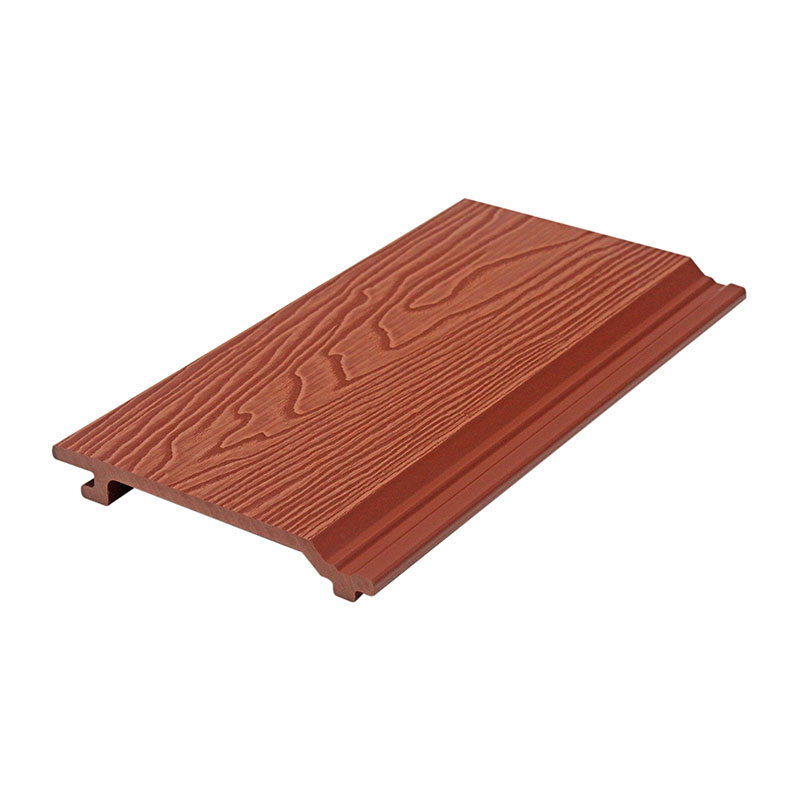
As environmental awareness grows and the demand for durable, eco-friendly building materials increases, the construction industry is witnessing a significant shift towards sustainable alternatives. One such innovation gaining widespread attention is the use of plastic wall paneling made from Wood Plastic Composite (WPC). Leading this trend, Shandong WALLART New Building Material Co., Ltd. has emerged as a prominent enterprise dedicated to the development, production, and sales of high-quality WPC interior and exterior products as well as PVC products.
### What is Plastic Wall Paneling WPC?
Plastic wall paneling made from WPC is an advanced building material that combines wood fibers or wood flour with thermoplastics such as polyethylene or polyvinyl chloride. This combination yields a composite material that offers the best attributes of both its constituents: the natural aesthetics and warmth of wood paired with the strength, durability, and moisture resistance of plastic.
WPC plastic wall panels are commonly used as cladding solutions for interiors and exteriors of residential, commercial, and industrial buildings. These panels are designed to be lightweight, easy to install, and resistant to rot, mold, and insect damage. Additionally, WPC panels are recyclable and contribute significantly to reducing deforestation and environmental degradation.
### Shandong WALLART New Building Material Co., Ltd.: A Leader in WPC Production
Shandong WALLART New Building Material Co., Ltd., headquartered in Shandong Province, China, has established itself as a key player in the WPC and PVC sectors. The company’s integrated approach encompasses product development, manufacturing, and market distribution, ensuring stringent quality control and innovative product offerings designed to meet modern architectural demands.
Specializing in WPC interior and exterior products, Shandong WALLART leverages advanced production technologies to create wall paneling solutions that boast superior durability, aesthetic appeal, and environmental benefits. The firm’s PVC products also offer versatile alternatives complementing their WPC range, allowing customers to select materials best suited to their specific requirements.
### Advantages of Plastic Wall Paneling WPC
1. **Durability and Longevity**
Traditional wood paneling suffers from weather-induced wear and tear, susceptibility to termites, and vulnerability to water damage. WPC panels, however, are engineered to withstand harsh environmental conditions without warping, cracking, or rotting. This durability translates into longer lifespan and lower maintenance costs, making them a cost-effective investment over time.
2. **Eco-Friendly Material**
The composite nature of WPC allows for the recycling of wood waste and plastic materials, minimizing raw material consumption. By incorporating recycled plastics and sustainably sourced wood fibers, WPC paneling contributes to reducing landfill waste and conserving natural forests, aligning with global sustainability goals.
3. **Aesthetic Flexibility**
WPC wall panels offer a range of textures, colors, and finishes that mimic the appearance of natural wood, while maintaining consistent quality and performance. Architects and interior designers appreciate the ability to customize panels to match diverse design palettes, from rustic to contemporary.
4. **Low Maintenance**
Unlike conventional wood, plastic wall paneling made from WPC does not require regular painting, staining, or sealing. Its water resistance and termite-proof properties reduce the need for frequent repairs, saving time and labor costs in the long run.
5. **Resistance to Environmental Factors**
WPC panels demonstrate excellent resistance to UV rays, moisture, and temperature fluctuations, making them ideally suited for both interior and exterior applications across different climate zones.
### Applications of WPC Wall Paneling
The versatility of WPC plastic wall paneling has led to its adoption in various sectors including residential housing, commercial buildings, public infrastructure, and renovation projects. For interiors, WPC panels provide attractive feature walls, ceiling panels, and partitions that enhance the ambiance with their wood-like finish combined with practicality.
In exterior applications, WPC panels serve as façade cladding, fence panels, decking, and eaves, effectively safeguarding buildings from weathering while contributing to aesthetic appeal. Their lightweight nature and ease of installation further streamline construction processes, reducing project timelines.
### Commitment to Quality and Innovation
Shandong WALLART New Building Material Co., Ltd. is committed to continuous innovation, leveraging cutting-edge technology and rigorous research and development to improve product performance and sustainability. Their quality control systems ensure that all WPC products meet national and international standards for strength, safety, and environmental compliance.
The enterprise works closely with architects, contractors, and distributors worldwide to offer tailored solutions that address specific project needs. This customer-centric approach combined with eco-conscious manufacturing practices positions Shandong WALLART at the forefront of the green building materials industry.
### Conclusion
With the construction industry’s increasing focus on sustainability and efficiency, plastic wall paneling made from Wood Plastic Composite is poised to transform building design and construction methods. Shandong WALLART New Building Material Co., Ltd., through its dedication to product excellence and environmental responsibility, is leading this change by providing innovative WPC interior and exterior panels along with a diverse range of PVC products.
Embracing WPC plastic wall paneling means choosing a solution that combines durability, aesthetic appeal, environmental sustainability, and cost-effectiveness. As more builders and developers recognize the value of these materials, the future of green building relies heavily on innovations by companies like Shandong WALLART, paving the way toward more sustainable and beautiful built environments worldwide.