
In the evolving world of interior design, the demand for materials that blend aesthetics, durability, and sustainability has never been higher. Among the leading solutions gaining traction is the use of paneling for interior walls, a trend that seamlessly combines style and functionality to enhance living and commercial spaces. This growing industry trend is supported by innovative companies like Shandong WALLART New Building Material Co., Ltd., which specializes in developing high-quality building materials tailored to meet modern architectural needs.
### The Rise of Interior Wall Paneling
Interior wall paneling has transformed from a niche decorative element to a mainstream design choice. Architects, designers, and homeowners alike are embracing paneling due to its versatility in elevating the visual appeal of any room. Panels can add texture, pattern, and color, turning plain walls into dynamic focal points without the need for extensive remodeling or painting.
Paneling also offers practical benefits. It can conceal imperfections such as cracks and uneven surfaces, provide additional insulation, and improve acoustic performance within a space. Moreover, modern panel materials are designed to be low maintenance, water-resistant, and highly durable, making them suitable for various environments, from residential living rooms to commercial offices and hospitality venues.
### Material Innovations: WPC and PVC Panels
Among the materials revolutionizing interior wall paneling, wood-plastic composite (WPC) and polyvinyl chloride (PVC) stand out for their unique properties. These materials overcome many limitations traditionally associated with natural wood or conventional panels.
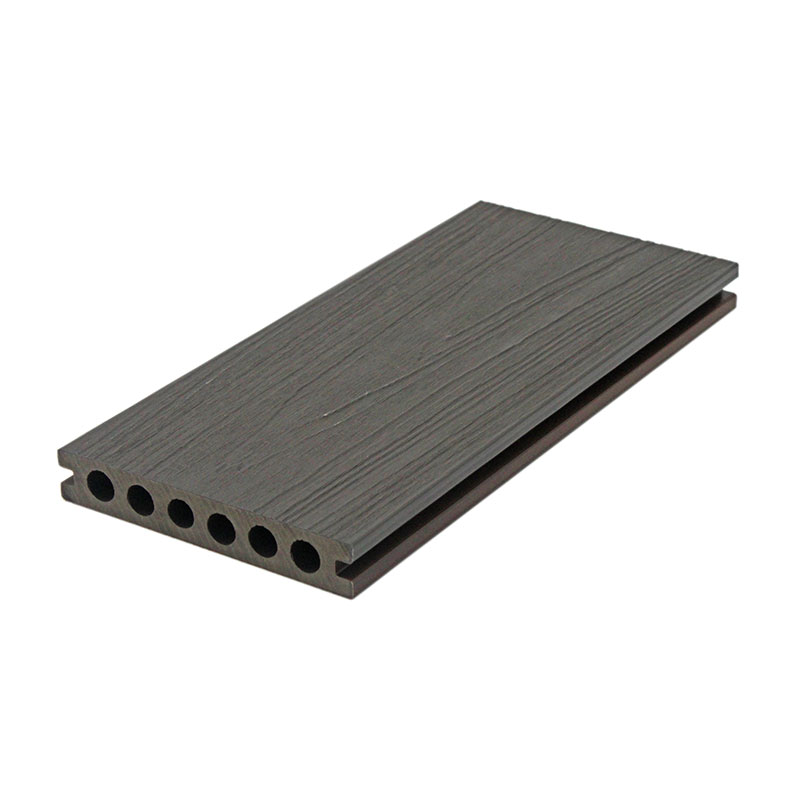
WPC panels combine wood fibers and plastic resins, resulting in a product that retains the warm texture and appearance of wood while offering enhanced resistance to moisture, termites, and decay. This makes WPC an ideal option for both interior and exterior applications, especially in humid or high-traffic areas.
PVC panels, on the other hand, are entirely synthetic and have become popular due to their lightweight nature, fire resistance, and easy installation. These panels are available in various finishes, including wood grain and smooth textures, providing designers with extensive customization options. The waterproof characteristic of PVC panels also lends itself well to moisture-prone interiors such as kitchens, bathrooms, and laundry rooms.
### Shandong WALLART New Building Material Co., Ltd.: Driving Innovation in Paneling
A key player in the building materials industry is Shandong WALLART New Building Material Co., Ltd., a company that integrates product development, production, and sales in its business operations. Specializing in WPC interior and exterior products as well as PVC panels, the company has positioned itself at the forefront of manufacturing high-performance solutions that cater to contemporary construction challenges.
Shandong WALLART’s cutting-edge production methods ensure that their panels meet stringent quality standards, delivering durability and aesthetic appeal. Their comprehensive product range caters to diverse architectural needs, offering solutions that are eco-friendly, cost-effective, and easy to install. With a strong emphasis on research and development, the company continuously improves material formulations and design options to keep pace with market trends.
### Applications Across Sectors
The versatility of interior wall paneling extends across multiple sectors. In residential settings, homeowners use panels to add character to living rooms, bedrooms, and hallways. Features such as accent walls and wainscoting created with WPC or PVC panels can transform spaces, providing both an upscale look and practical benefits like insulation and sound absorption.
In commercial properties, interior wall panels help create professional, attractive environments that impress clients and enhance employee productivity. Retail stores, restaurants, hotels, and office buildings utilize paneling to align interior aesthetics with brand identity while maintaining a durable surface resistant to wear and tear.
Healthcare and educational institutions also benefit from panel solutions. Panels with antimicrobial coatings and easy-to-clean surfaces uphold hygiene standards crucial in these settings, while their robust construction withstands frequent use.
### Sustainability and Environmental Impact
Sustainability is a growing priority within the building materials market, and interior wall paneling options are no exception. WPC products, in particular, utilize recycled wood fibers and plastics, helping to reduce environmental waste and promote resource efficiency. By choosing panels from manufacturers committed to eco-conscious practices, construction projects can lower their carbon footprint.
PVC panels also contribute to sustainability goals by offering longevity and reducing the need for frequent replacements or repainting. Advances in recycling technologies are starting to enable the reuse of PVC materials, further enhancing their green credentials.
### Future Outlook
The future of interior wall paneling is promising, driven by continuous innovation, increasing consumer awareness, and expanding use cases. Companies like Shandong WALLART New Building Material Co., Ltd. will continue to spearhead this growth by developing materials that align with evolving design trends while emphasizing sustainability and performance.
As urbanization accelerates and interior spaces demand more adaptive solutions, paneling stands out as a practical, stylish choice. Whether upgrading existing interiors or outfitting new constructions, architects and homeowners have abundant options to create environments that are beautiful, functional, and resilient.
### Conclusion
Paneling for interior walls is more than just a decorative touch—it is an integral component of modern interior design and construction. With the advancement of materials like WPC and PVC, supported by industry leaders such as Shandong WALLART New Building Material Co., Ltd., the paneling market is set to redefine interior aesthetics and functionality. This synergy of innovation and design offers a compelling path forward in creating sustainable, durable, and visually captivating interiors across all types of spaces.